Does a pick-up still make sense in the post-tax-break world?

There was a time when double-cab pick-ups like the Isuzu D-Max V-Cross were something of a loophole on wheels.
You got the practicality of a van, the comfort of an SUV and, crucially, the tax advantages of a commercial vehicle. For business users, they were a no-brainer. For company car drivers, even more so.
But as of last year, that’s all changed. HMRC now classifies most double-cab pick-ups as cars for tax purposes, meaning higher Benefit-in-Kind (BIK) charges and fewer financial incentives.
What was once one of the smartest choices on a company car scheme has quickly become far harder to justify. So where does that leave something like the D-Max V-Cross? Is it still worth considering — not as a business tool, but as a lifestyle lease?
We recently had one into the office to find out.
Design & exterior
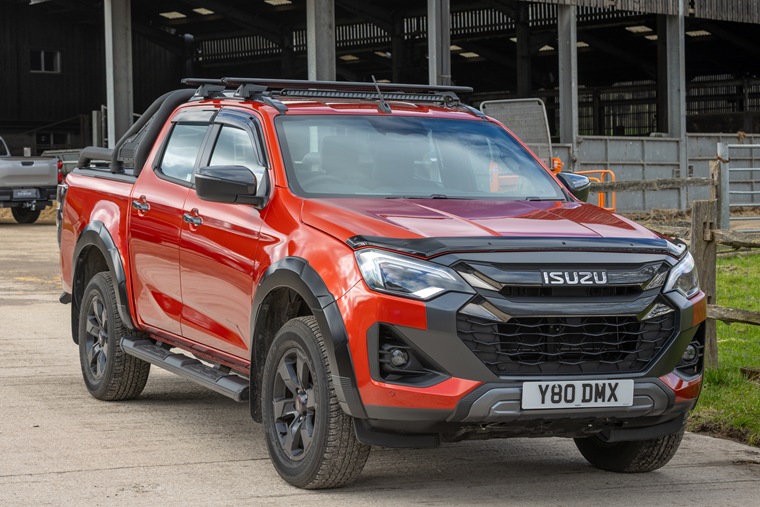
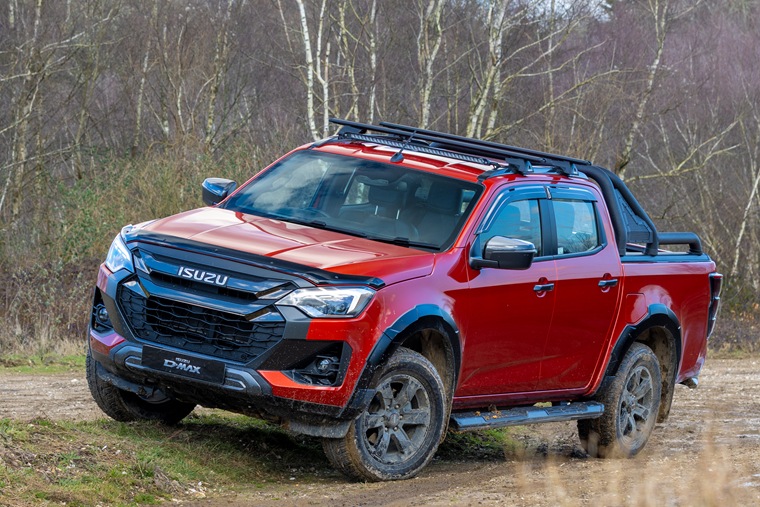
The D-Max V-Cross looks exactly how you’d want a pick-up to look.
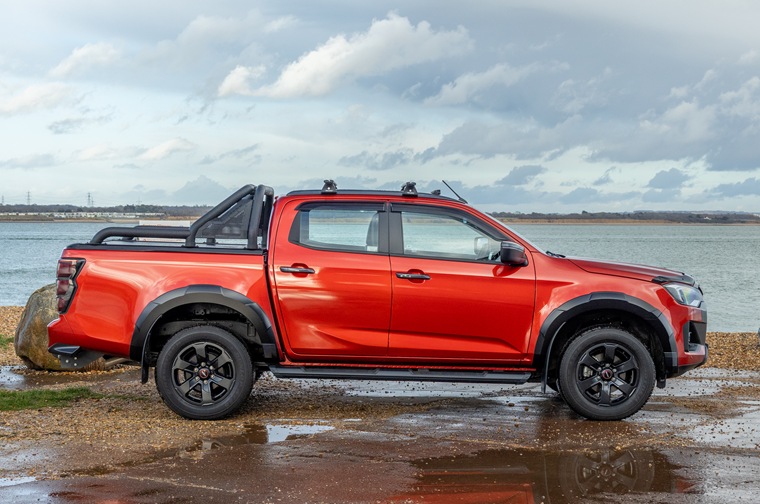
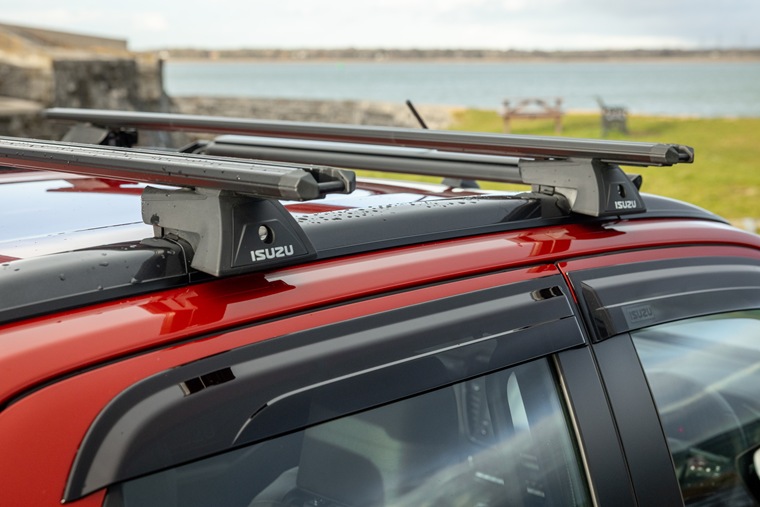
There’s no attempt to soften its edges or disguise what it is. The upright stance, wide wheel arches and bold front grille give it real presence, while details like dark exterior trim and side steps add a slightly more premium finish than you might expect.
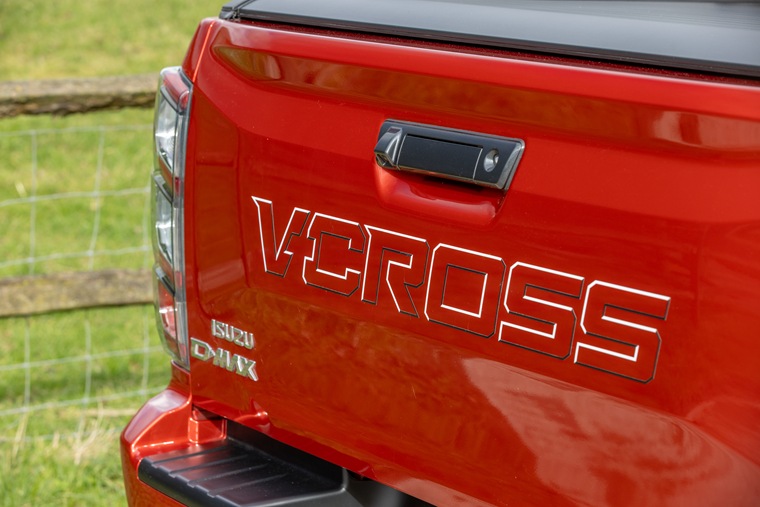
It’s also unmistakably large. Park it next to a typical family SUV and the difference is obvious — it sits taller, feels longer and carries a level of visual bulk that makes even bigger crossovers look relatively tame.
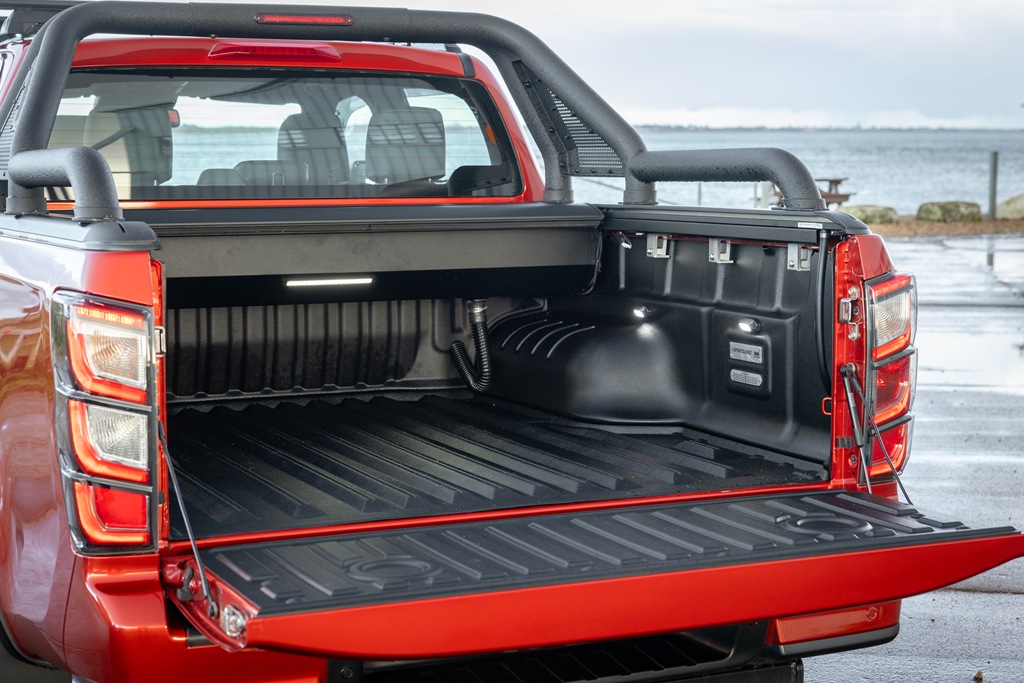
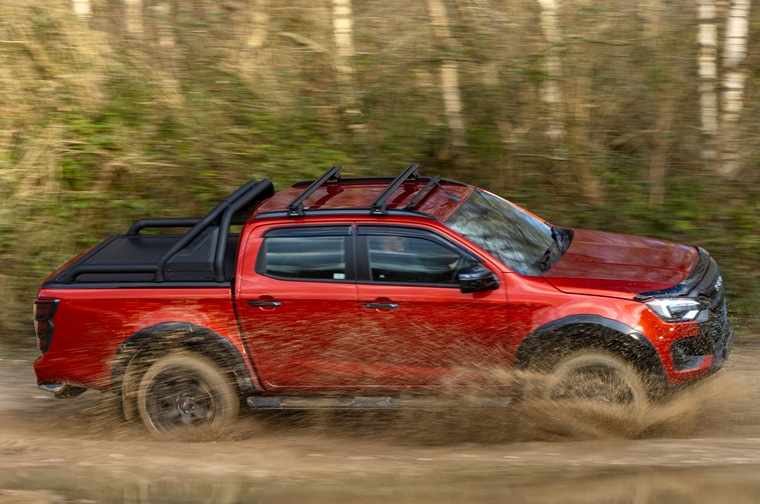
Round the back, the load bed remains one of its biggest selling points. Whether it’s bikes, tools or anything muddy and awkward, it offers a level of practicality that simply isn’t possible with a conventional SUV. That blend of ruggedness and usability is exactly what has always drawn buyers to pick-ups like the D-Max.
Interior & technology
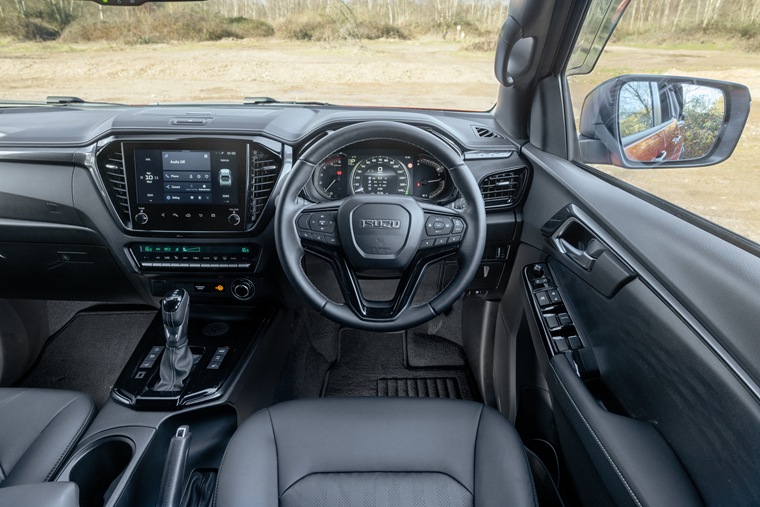
Inside, the V-Cross trim does a solid job of bridging the gap between workhorse and everyday usability.
There’s leather upholstery, heated front seats and a touchscreen infotainment system that covers the essentials, along with smartphone connectivity and a suite of driver assistance features. It’s not cutting-edge, but it’s functional and easy to use.
Material quality leans more towards durability than outright luxury, which feels appropriate given the vehicle’s intended use. Surfaces are tough, switches feel robust and everything gives the impression it’s been designed to withstand years of hard use.
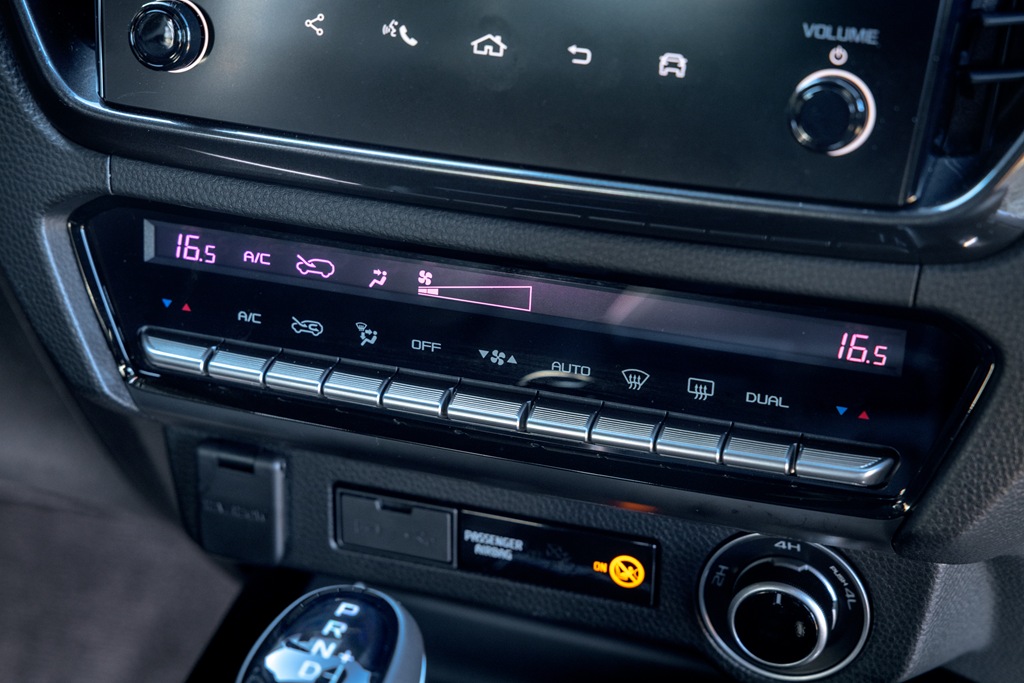
That said, it doesn’t quite match the polish of similarly priced SUVs. The layout feels a little dated compared to more modern interiors, and there’s less of the clean, tech-focused design you’ll find in newer electric models.
But ultimately, that’s not what the D-Max is trying to be. It’s built to be practical first, and in that respect it delivers.
Practicality & comfort
This is where the D-Max still stands out. With five seats and a large, usable load bed, it offers a level of versatility that few vehicles can match. It’s equally at home carrying passengers as it is hauling bulky or dirty cargo, making it a genuinely multi-purpose vehicle.
Rear seat space is decent, with enough room for adults on longer journeys, while features like ISOFIX points make it viable as a family car. However, the upright seating position and more utilitarian layout mean it doesn’t feel quite as relaxed or spacious as a purpose-built SUV.
On the road, the compromises of its ladder-frame construction become more apparent. The ride can feel firm, particularly over uneven surfaces, and there’s a noticeable difference in refinement compared to more car-like alternatives.
It’s perfectly usable day-to-day, but it never quite lets you forget its working roots.
Driving & performance
The D-Max sticks with a traditional diesel engine, and its character reflects that.
It’s not quick in the conventional sense, but it delivers strong, consistent torque that makes it well suited to towing and carrying heavy loads. With a towing capacity of up to 3.5 tonnes, it remains one of the most capable vehicles in its class.
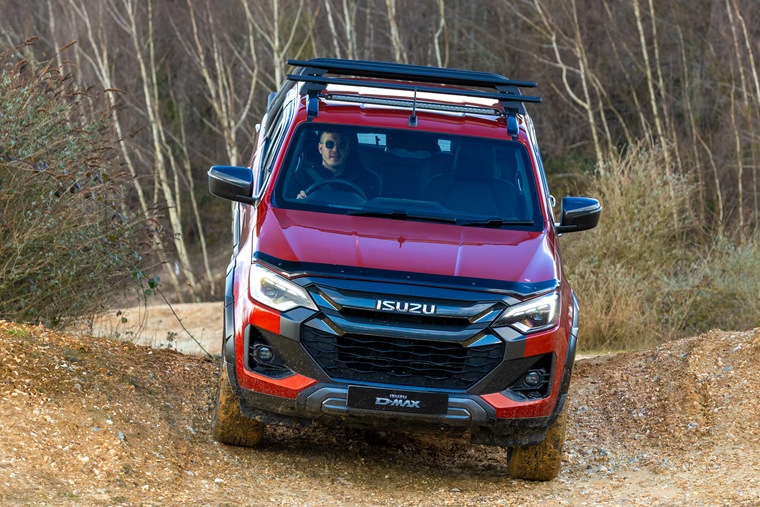
Four-wheel drive comes as standard on the V-Cross, giving it genuine off-road ability. Whether it’s muddy tracks, steep inclines or poor weather conditions, it feels dependable and sure-footed in situations where most SUVs would struggle.
On the road, however, it’s less impressive. The steering is slower, the handling less precise and the overall driving experience more functional than enjoyable. It’s designed to get the job done rather than entertain, and that’s exactly how it feels from behind the wheel.
The big change: tax and business leasing
This is the factor that fundamentally changes how the D-Max fits into the market.
Until recently, double-cab pick-ups benefited from a flat-rate BIK charge, making them extremely attractive for company car drivers. That advantage has now disappeared, with HMRC classifying them as cars rather than commercial vehicles.
The result is significantly higher tax costs for business users, particularly when compared to low-emission or fully electric alternatives. For many, that removes the primary reason for choosing a pick-up in the first place.
There are still ways to retain commercial vehicle benefits, such as opting for two-seat commercial variants, but these sacrifice the rear seats and everyday usability that made double-cab models so popular.
In short, the D-Max hasn’t become a worse vehicle — but it has become a less compelling financial proposition for business leasing.
So… does it still make sense as a personal lease?
Interestingly, this shift in taxation highlights a different way of looking at vehicles like the D-Max.
Without the business incentives, it becomes less about financial efficiency and more about lifestyle. And viewed through that lens, it still has a clear appeal.
There’s something refreshingly honest about it. In a market dominated by increasingly similar SUVs, the D-Max feels purpose-built and unapologetically rugged. It offers capabilities that most vehicles simply can’t match, and for buyers who genuinely need those capabilities, it remains a strong option.
If you regularly tow, carry large loads or spend time off-road, it arguably makes more sense than a conventional SUV trying to fulfil the same role.
However, for purely urban or family-focused use, it’s harder to justify. It’s larger, less refined and less efficient than alternatives that are easier to live with on a daily basis.
Verdict
The Isuzu D-Max V-Cross itself hasn’t changed — but its place in the market has.
As a vehicle, it remains hugely capable, practical and dependable. It does exactly what a pick-up should do, and it does it well. What’s shifted is who it makes sense for.
For business leasing, the loss of tax advantages means it’s no longer the clear-cut choice it once was. For many company car drivers, the numbers simply won’t add up in the same way.
But as a personal, lifestyle lease, it still holds real appeal. If you need its capabilities and value its rugged, no-nonsense character, the D-Max V-Cross continues to make sense. Just not for the reasons it used to.