"Not Every Brand Will Survive": MG's Karl Howkins on Growth, Competition and the Future of Electrification

As part of a series exploring the future of leasing and the role it plays in helping new and emerging brands gain traction in the UK, Leasing.com's brand ambassador DefinitelyNotAGuru sat down with MG Motor UK's Head of Fleet, Karl Howkins. Their conversation covers everything from MG's rapid expansion and the growing importance of leasing channels, to the influx of new manufacturers entering the market and why not every brand will make it through the next decade.
MG's rise over the past decade has been one of the most significant success stories in the UK car market. Once viewed as a niche challenger brand, MG has become a major force across retail, hire, fleet and leasing channels. That growth has come during a period of unprecedented change, with electrification, affordability pressures, changing consumer behaviour and a wave of new Chinese manufacturers reshaping the market.
Fleet today extends far beyond traditional company car operators. It includes personal leasing, business leasing, corporate fleets, public sector fleets, SMEs, salary sacrifice schemes and Motability. MG has built a strong presence across all of these channels.
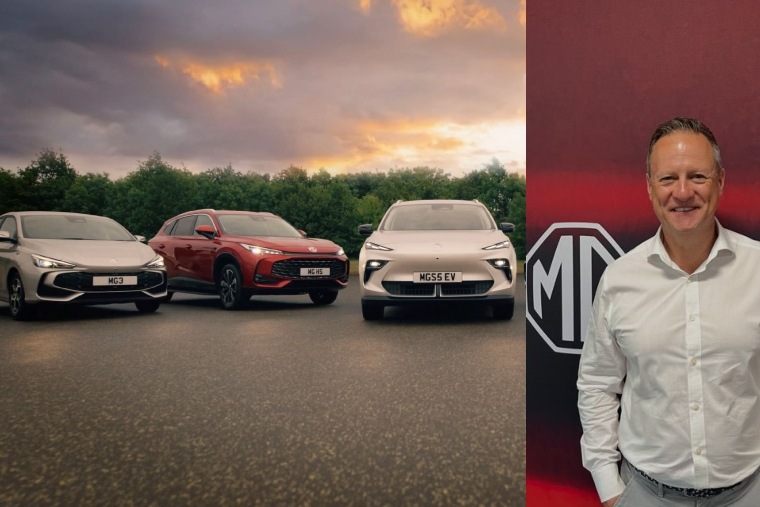
To discuss MG's growth and the challenges ahead, I spoke to Karl Howkins, Director of Fleet for UK and Europe at MG Motor UK.
From challenger brand to mainstream success
MG has evolved from a challenger brand into a mainstream success story. What has been the biggest driver behind that transformation?
The agility of what I'd call a British-Chinese brand has also been really key. You can try something. If it works, great. If it doesn't work, that's fine, you tried it.
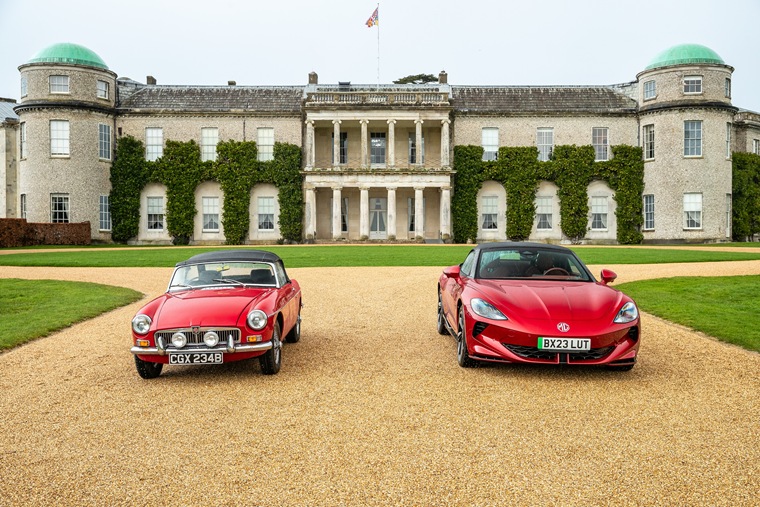
“Having a bit of brand heritage is always good. You go to some weird and wonderful places and someone tells you about their grandad and an MG. You've already got a bit of a footing when you talk to leasing companies and residual value guys about what MG is.
The agility of what I'd call a British-Chinese brand has also been really key. You can try something. If it works, great. If it doesn't work, that's fine, you tried it. From a powertrain point of view, we're really the only brand that does traditional combustion engines, hybrids, plug-in hybrids and BEVs. From a fleet perspective, having the full suite of powertrains is important.”
Why fleet and leasing matters
How important have fleet, leasing and business customers been to MG's growth?
This year we've had to be more adaptable and quicker in how we work with leasing companies. There are around 75 car brands competing in a market that's roughly 2.1 million units.
“This year we've had to be more adaptable and quicker in how we work with leasing companies. There are around 75 car brands competing in a market that's roughly 2.1 million units. In a market with that much supply and that many brands, you've got to be smarter about what you're doing. We're working with more brokers now than we've ever worked with before because there's clearly a place for them in the market. It's not all about discount. It's about the brand, residual values, service and maintenance costs and all of those things.”
How important are leasing companies, brokers and fleet partners to MG's future growth strategy?
“Massively important. We've just signed our first pan-European leasing deal with a major player. We've got another one that's due to be signed as well. We've also established a broker panel and added dedicated leasing managers. I don't think you can pick and choose where you sell in a crowded market. You've got to be present in every channel, but you've got to be sensible about what you're doing. We're very focused on residual values and on growing long-term business.”
Maintaining value while moving upmarket
MG's success has been built on affordability. As the brand introduces more premium products, how do you maintain that value-for-money appeal?
“The new products still offer a huge amount of value. Pricing remains important and we're doing a lot around residual values because we don't want to lose focus on residual value positioning. Having simple model ranges helps too. We don't want to confuse customers.”
The growing number of Chinese brands
The UK market is seeing more Chinese manufacturers enter the market. How does MG view that competition?
I don't think everyone's going to survive. I've been in the business for 36 years and I don't think I've ever seen anything like it.
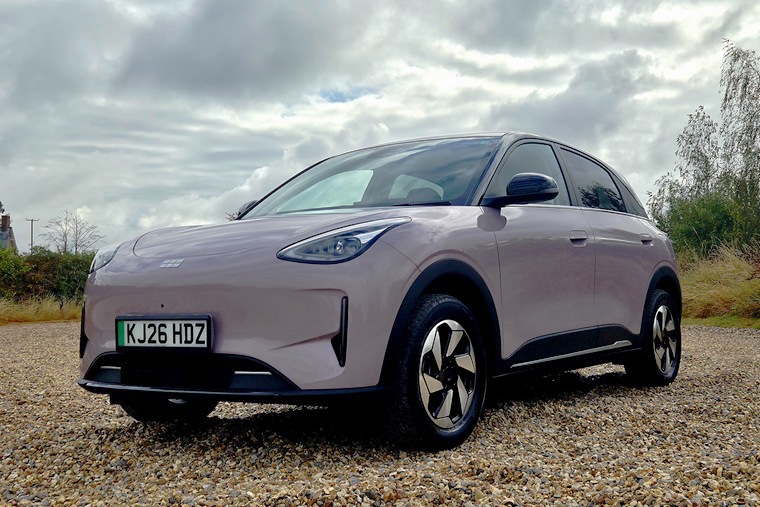
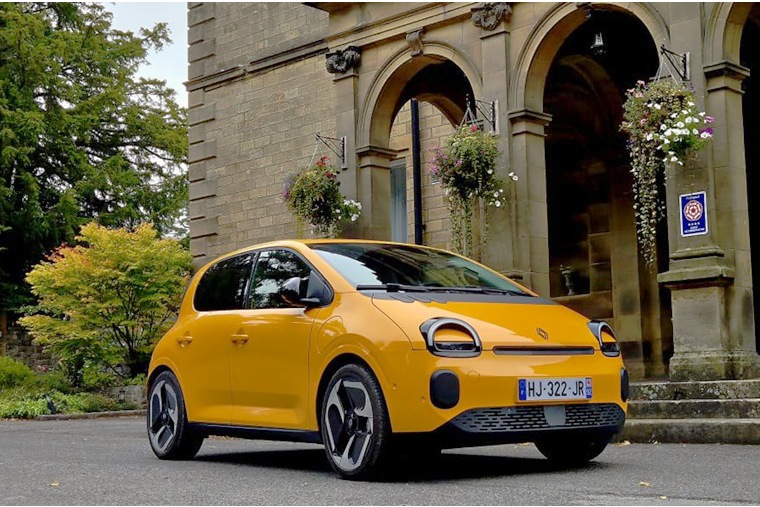
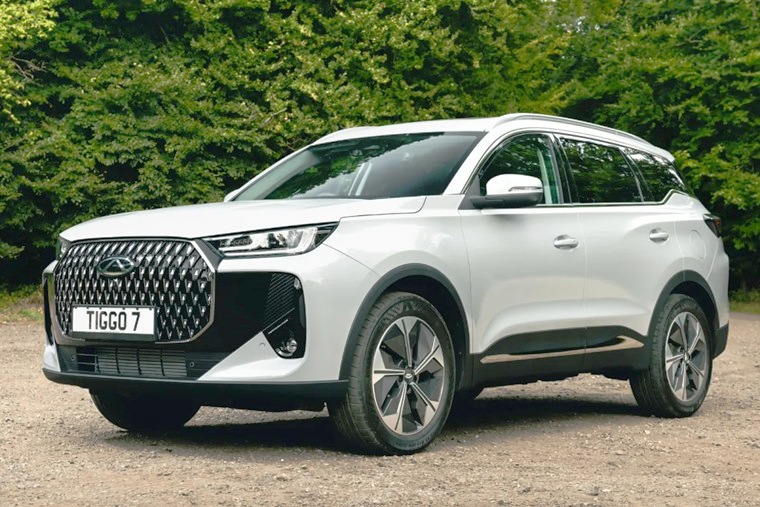
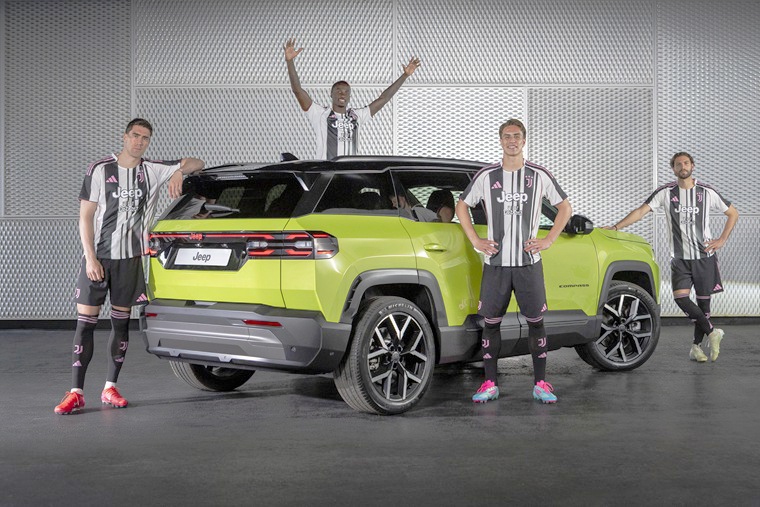
“I don't think everyone's going to survive. I've been in the business for 36 years and I don't think I've ever seen anything like it. You've got legacy brands whose numbers are dwindling and you've got new entrants arriving all the time. Launching a car brand is incredibly expensive. The R&D costs are huge and routes to market are normally twice as expensive as people expect. From our perspective, the fact we compete in almost every major segment, with multiple powertrains, gives us longevity. ”
The rise of the personal lease and salary sacrifice
Are more consumers considering personal leasing instead of traditional finance products?
“Yes. Customers are definitely gravitating more towards personal leasing than they were before. Salary sacrifice has also become a major factor. Cash allowances are becoming more common again in lots of businesses, so customers receive an allowance and then go looking for the best value vehicle.”
What role does business leasing play in fleet electrification and vehicle replacement cycles?
“A massive role. Traditional retail buyers are becoming a smaller part of the market every year. Business leasing is only going to continue growing.”
Does PHEV have a future?
How do you see plug-in hybrid demand developing over the next few years?
“I don't think plug-in hybrid disappears. Personally, I don't see BEV as the only solution. I think hybrids have a big role to play. I definitely think there's a place for plug-in hybrids going forward.”
What does the government need to do next?
Q: What does the fleet and leasing industry need most from government over the next five years? Particularly with regards to electrification.
“A bit of stability would be great. We need clarity around taxation and what the future looks like. Infrastructure is getting better all the time. We need more certainty and a more consistent approach.”
Looking ahead
What are the biggest opportunities and challenges facing MG over the next five years?
“The biggest opportunity and challenge is the same thing: competition. It really is survival of the fittest. We might end up with 85 car brands competing in the UK. Some will thrive and some won’t. The future for MG is bright because we've been here a long time now. We've got more than a million vehicles on the road across Europe and that number continues to grow. ”
Final thoughts…
Whether you agree with Karl Howkins' assessment or not, one point is difficult to argue against: the automotive market is entering a period of unprecedented competition. MG's transformation over the past decade has been remarkable.
What was once viewed as a value-focused challenger brand has become a genuine mainstream player, supported by a broad product portfolio, strong fleet relationships and a growing presence across personal leasing, business leasing, salary sacrifice and corporate fleets.
His warning that not every new entrant will survive is likely to prove one of the defining themes of the next decade. As more brands fight for share in a market that is no longer growing at the pace it once did, scale, product relevance, residual values and strong routes to market will become increasingly important. For now, MG appears well positioned. With new products on the horizon, growing fleet partnerships and a willingness to adapt quickly to changing market conditions, the brand's story in the UK still feels like it is only just getting started.